The Field Manual
Workspaces, templates, case records, and automations: how the pieces fit together, how to set them up, and how to fix them when they misbehave. Written for the humans who run document pipelines and the AI agents that work alongside them.
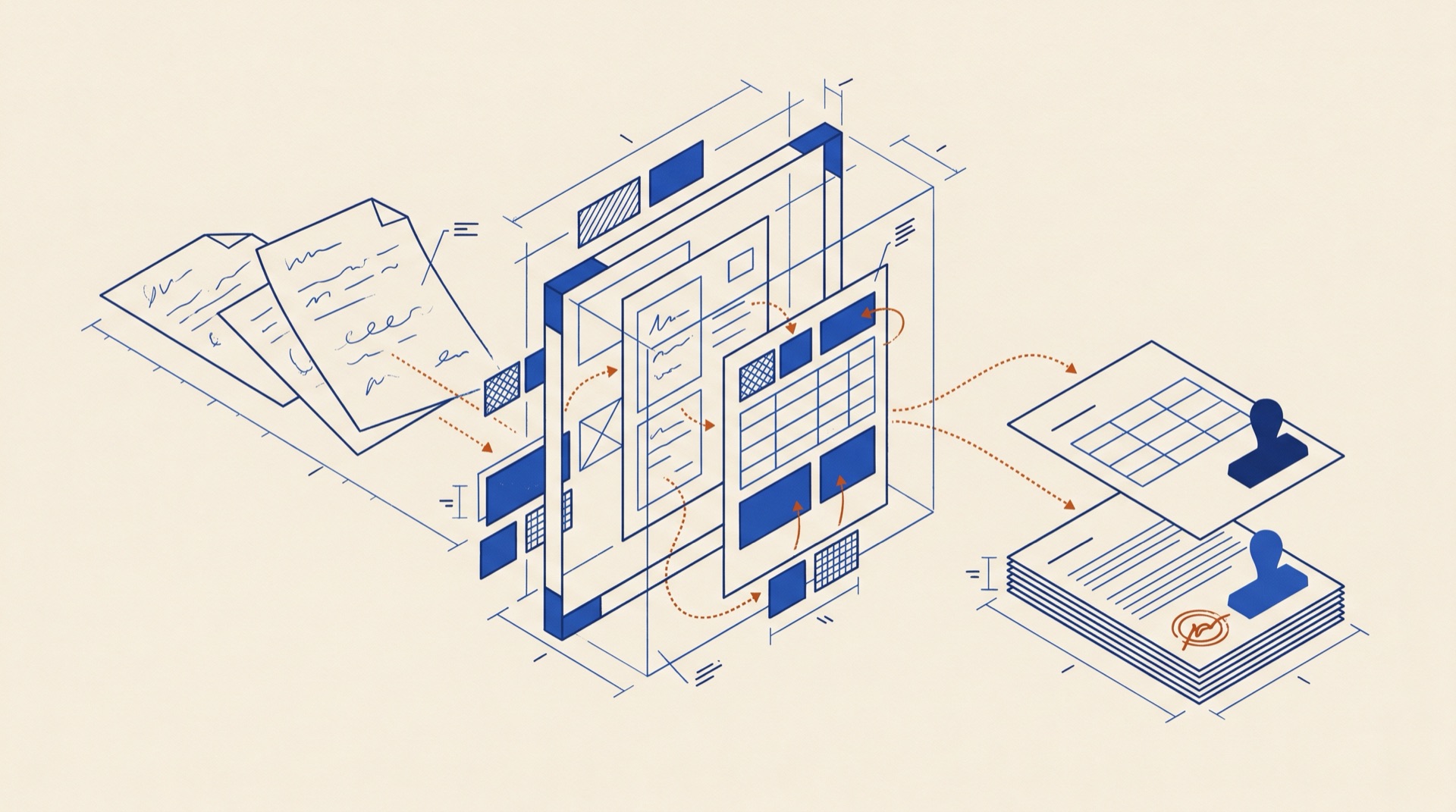
Document Blueprint automates paperwork with the help of AI. A template lets AI know where to find key information in a document and what to do with it. Every run saves its data to a case, and the dashboard aggregates those cases into search, map, calendar, and analytics views.
A template is the blueprint for a document. It tells the AI where to find key information, what to do with it, and where each value lands on the page. Every document you run it on fills in the same way, because the template spells out exactly what to do.
Three things turn a plain template into a smart one: AI instructions that steer extraction, source tabs that assemble several sources into one output, and batch fields that reference data from across many cases.
A case is the durable record for one unit of work, holding its files, extracted data, history, and generated outputs; each template field writes its value under a stable key, so renaming a field or column later never disturbs the data already saved.

- What is Document Blueprint?
- Templates
- Make your template smarter
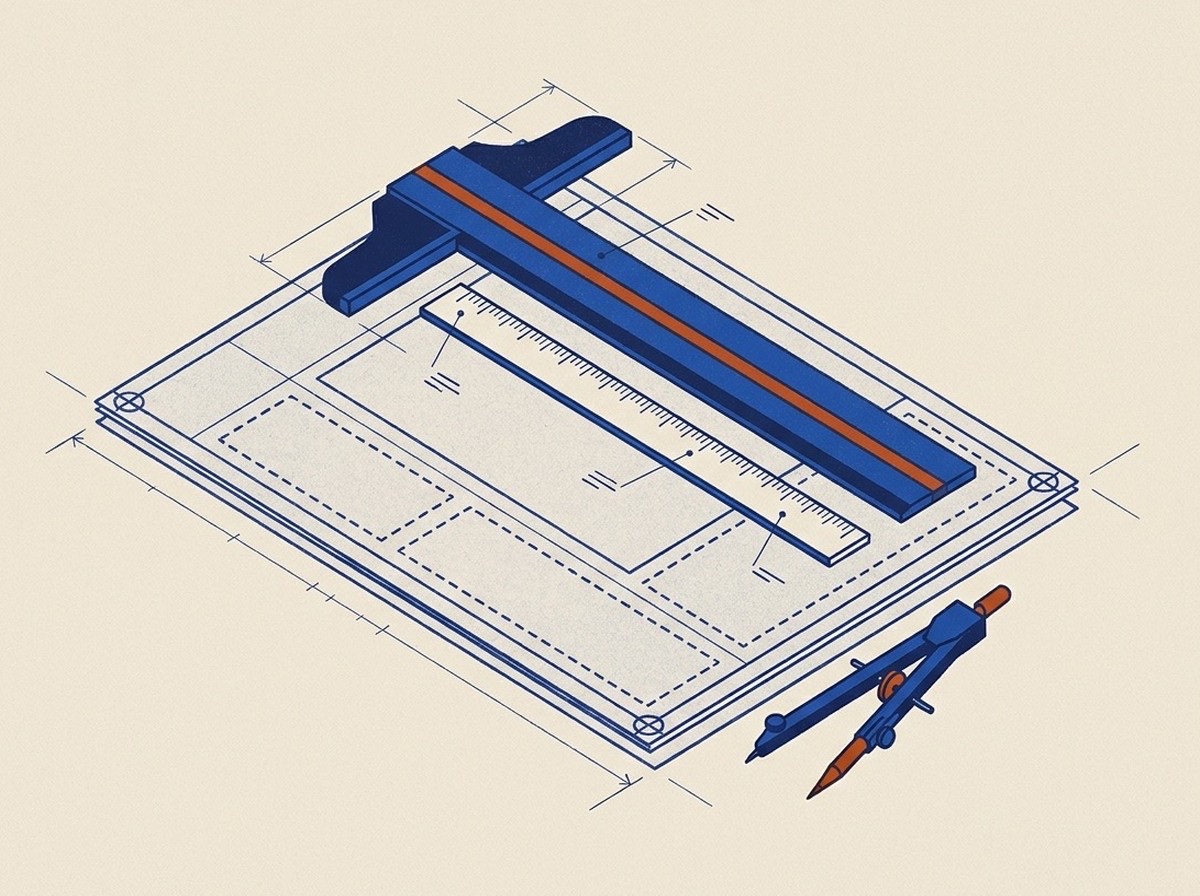
- Fields & value sources
- Placing fields on the page
- Build from a completed example
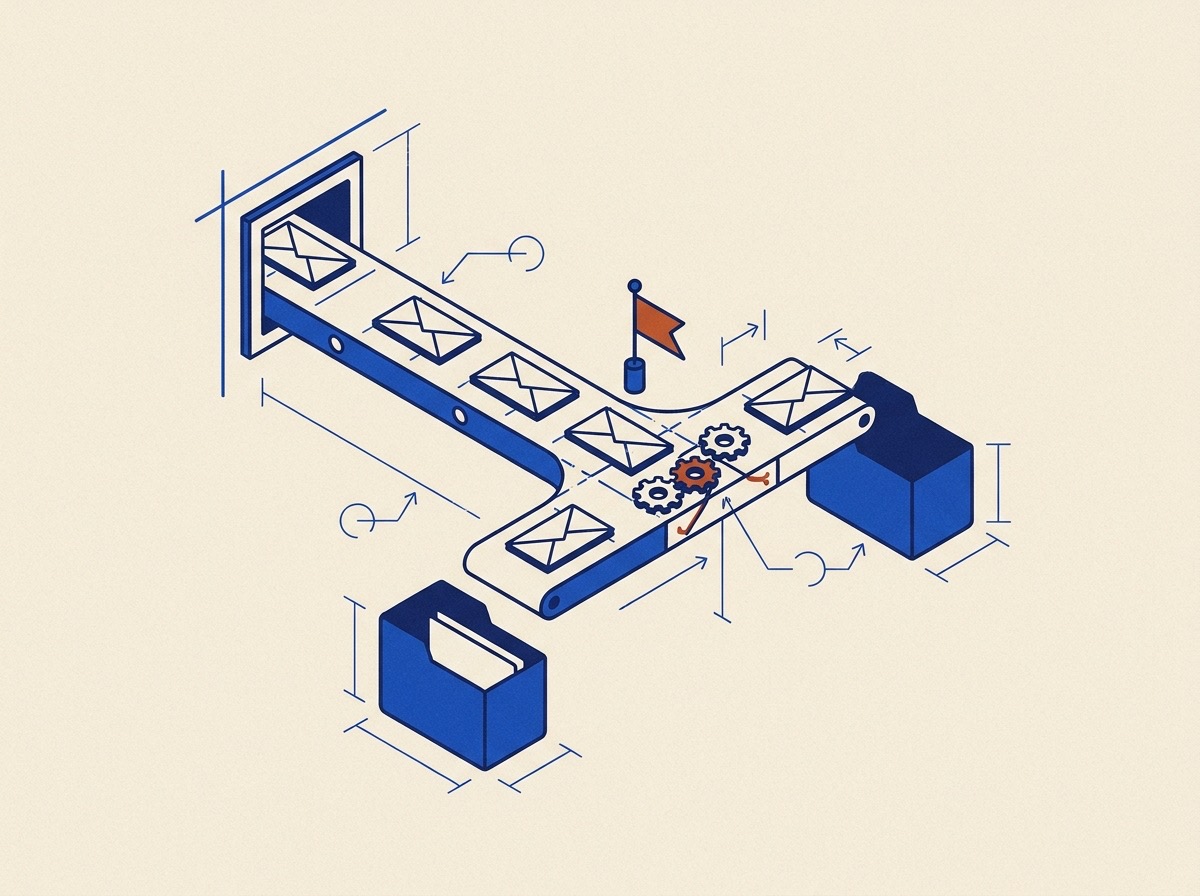
- Automating document intake
- Triggers & rules
- The action pipeline

- The client portal
- Send templates & drafts
- Per-case collaborators
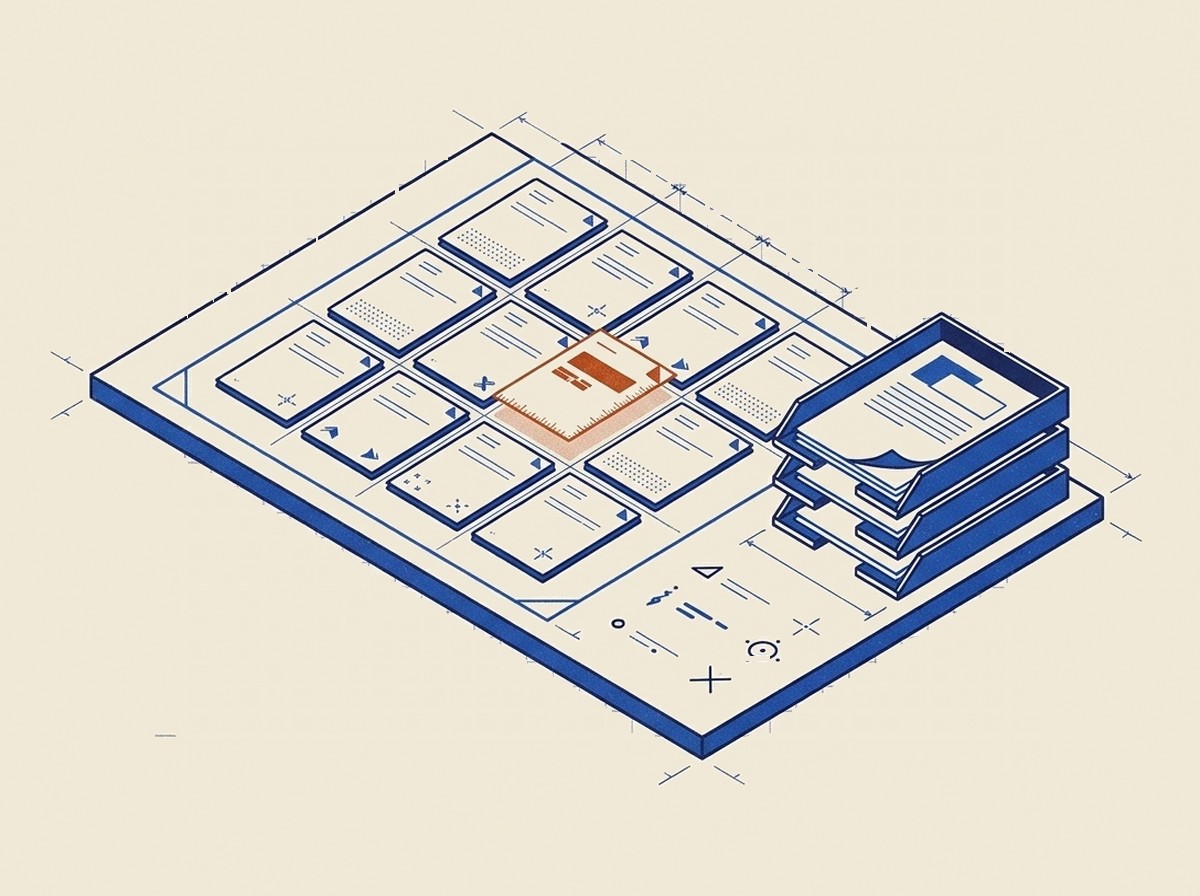
- Workspaces in depth
- Stages, filters & outputs
- Documents in templates
- The scenario
- Process an Invitation to Bid
- Send a bid confirmation